Domain ely24.de kaufen?
Wir ziehen mit dem Projekt
ely24.de um.
Sind Sie am Kauf der Domain
ely24.de interessiert?
domain@kv-gmbh.de · 0541-91531010
Domain ely24.de kaufen?
Wie ist es möglich, dass ein Kompressor mit einem Hubvolumenstrom von 600 l/min einen Betriebsvolumenstrom von 500 l/min bei 6 bar liefern kann?
Es ist möglich, dass der Kompressor einen Hubvolumenstrom von 600 l/min hat, aber aufgrund von Verlusten und ineffizientem Betrieb nicht den vollen Volumenstrom bei 6 bar liefern kann. Es können auch Leckagen oder andere Faktoren vorhanden sein, die den Betriebsvolumenstrom reduzieren. Es ist wichtig, den Kompressor auf Leistung und Effizienz zu überprüfen, um sicherzustellen, dass er die gewünschte Leistung erbringen kann. **
Will or gonna?
"Will" and "gonna" are both used to express future actions, but there are slight differences in their usage. "Will" is more formal and is used in more formal situations, while "gonna" is a more informal and colloquial way of expressing future actions. **
Ähnliche Suchbegriffe für 600-BARISTA-L-OR
Top-Angebote
Produkte zum Begriff 600-BARISTA-L-OR:

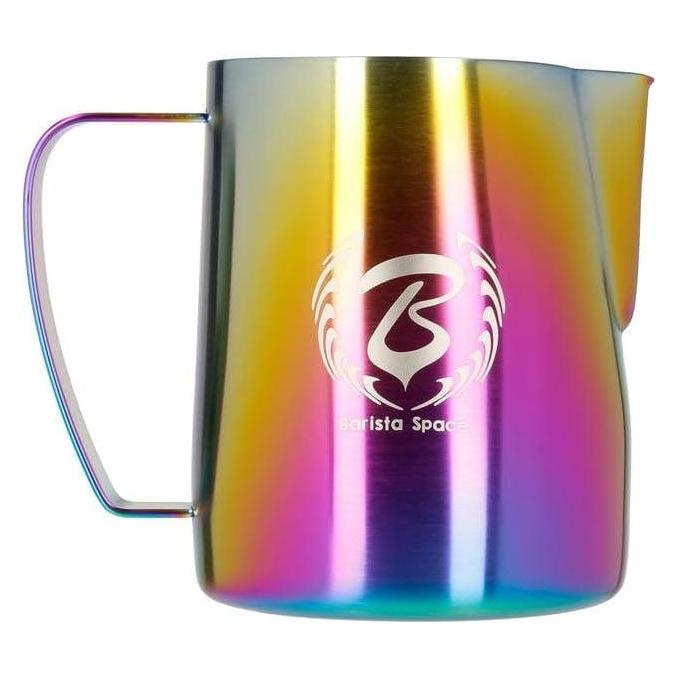
-
Gucci or Prada?
That is a subjective question and it depends on personal preference. Both Gucci and Prada are luxury fashion brands known for their high-quality products and unique designs. It ultimately comes down to individual style and taste. **
-
Doesn't or don't?
The correct form to use depends on the subject of the sentence. "Doesn't" is used with singular subjects, while "don't" is used with plural subjects. For example, "He doesn't like coffee" (singular subject) and "They don't like coffee" (plural subject). **
-
Do or make?
The choice between "do" and "make" depends on the context and the specific action being referred to. "Do" is generally used for activities or actions that involve performing or carrying out something, while "make" is used for creating or producing something tangible. For example, you would say "do your homework" but "make a cake." **
-
Naruto or Orochimaru?
It depends on personal preference. Naruto is the main protagonist of the series and is known for his determination and strong sense of justice. Orochimaru, on the other hand, is a complex character who is driven by his thirst for power and immortality. Both characters have their own unique qualities and story arcs that make them interesting in their own ways. **


Do or does?
The choice between "do" and "does" depends on the subject of the sentence. "Do" is used with plural subjects and "does" is used with singular subjects. For example, "They do their homework" and "She does her homework." **
Anyway or anyways?
Both "anyway" and "anyways" are commonly used in spoken English to mean the same thing. However, "anyway" is more widely accepted and considered to be the standard form. "Anyways" is often considered to be more informal or colloquial. **
Top-Angebote
Produkte zum Begriff 600-BARISTA-L-OR:
-
Wie ist es möglich, dass ein Kompressor mit einem Hubvolumenstrom von 600 l/min einen Betriebsvolumenstrom von 500 l/min bei 6 bar liefern kann?
Es ist möglich, dass der Kompressor einen Hubvolumenstrom von 600 l/min hat, aber aufgrund von Verlusten und ineffizientem Betrieb nicht den vollen Volumenstrom bei 6 bar liefern kann. Es können auch Leckagen oder andere Faktoren vorhanden sein, die den Betriebsvolumenstrom reduzieren. Es ist wichtig, den Kompressor auf Leistung und Effizienz zu überprüfen, um sicherzustellen, dass er die gewünschte Leistung erbringen kann. **
-
Will or gonna?
"Will" and "gonna" are both used to express future actions, but there are slight differences in their usage. "Will" is more formal and is used in more formal situations, while "gonna" is a more informal and colloquial way of expressing future actions. **
-
Gucci or Prada?
That is a subjective question and it depends on personal preference. Both Gucci and Prada are luxury fashion brands known for their high-quality products and unique designs. It ultimately comes down to individual style and taste. **
-
Doesn't or don't?
The correct form to use depends on the subject of the sentence. "Doesn't" is used with singular subjects, while "don't" is used with plural subjects. For example, "He doesn't like coffee" (singular subject) and "They don't like coffee" (plural subject). **
Ähnliche Suchbegriffe für 600-BARISTA-L-OR
-
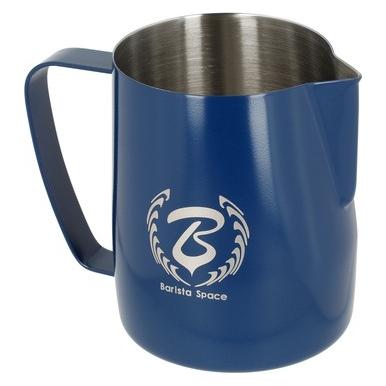
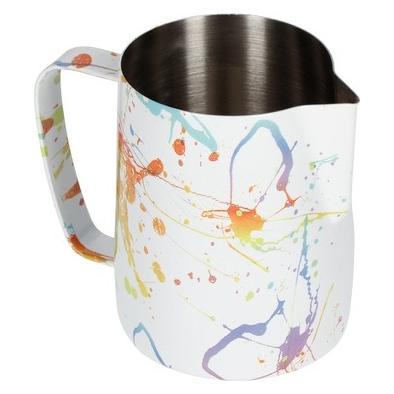
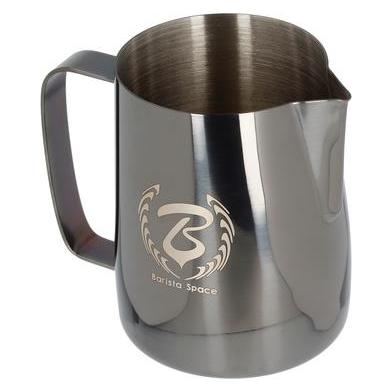
roastmarket Milchkännchen Set Edelstahl 350 ml & 600 ml BaristaDas hochwertige Zubehör Set aus rostfreiem Edelstahl AISI 304 ist die ideale Ergänzung für die professionelle Milchschaumzubereitung. Mit dem glänzenden Finish und der präzisen Formgebung gelingt die Zubereitung von cremigem Milchschaum für Latte Art mühelos. Diese Kännchen sind perfekt für Baristas und Kaffeeliebhaber, die Wert auf exakte Dosierung und reproduzierbare Ergebnisse legen. Die integrierte Messskala und die ergonomische Ausgusstülle lösen Herausforderungen bei der Portionierung und ermöglichen filigranes Gießen. Dank der robusten Materialqualität ist eine langlebige Nutzung an der Siebträgermaschine garantiert. Die Reinigung erfolgt bequem in der Spülmaschine. Produktdetails: Set bestehend aus zwei Kännchen mit 350 ml und 600 ml Fassungsvermögen. Material: Edelstahl AISI 304. Eigenschaften: Spülmaschinengeeignet, integrierte Innenskalierung, präziser Ausguss.73,93 €*Versand: 0,00 €Sichere Weiterleitung zum Anbieter
-
Do or make?
The choice between "do" and "make" depends on the context and the specific action being referred to. "Do" is generally used for activities or actions that involve performing or carrying out something, while "make" is used for creating or producing something tangible. For example, you would say "do your homework" but "make a cake." **
-
Naruto or Orochimaru?
It depends on personal preference. Naruto is the main protagonist of the series and is known for his determination and strong sense of justice. Orochimaru, on the other hand, is a complex character who is driven by his thirst for power and immortality. Both characters have their own unique qualities and story arcs that make them interesting in their own ways. **
-
Do or does?
The choice between "do" and "does" depends on the subject of the sentence. "Do" is used with plural subjects and "does" is used with singular subjects. For example, "They do their homework" and "She does her homework." **
-
Anyway or anyways?
Both "anyway" and "anyways" are commonly used in spoken English to mean the same thing. However, "anyway" is more widely accepted and considered to be the standard form. "Anyways" is often considered to be more informal or colloquial. **
* Alle Preise verstehen sich inklusive der gesetzlichen Mehrwertsteuer und ggf. zuzüglich Versandkosten. Die Angebotsinformationen basieren auf den Angaben des jeweiligen Shops und werden über automatisierte Prozesse aktualisiert. Eine Aktualisierung in Echtzeit findet nicht statt, so dass es im Einzelfall zu Abweichungen kommen kann. ** Hinweis: Teile dieses Inhalts wurden von KI erstellt.